



When you first log into Los Santos’ next-gen successor and open your wallet, what matters more than flashy cars is how the world handles cash: GTA 6 Economy & Businesses: In-Game Money, Investments, Properties, and How to Make Passive Income shapes every grind, outfit choice, and long-term goal. This guide treats the topic as a practical walkthrough — mixing confirmed systems, community-tested tactics from 2025–2026, and clear separation of leaks and speculation so you don’t pour hours into dead-end strategies.
GTA 6 Economy & Businesses: In-Game Money, Investments, Properties, and How to Make Passive Income
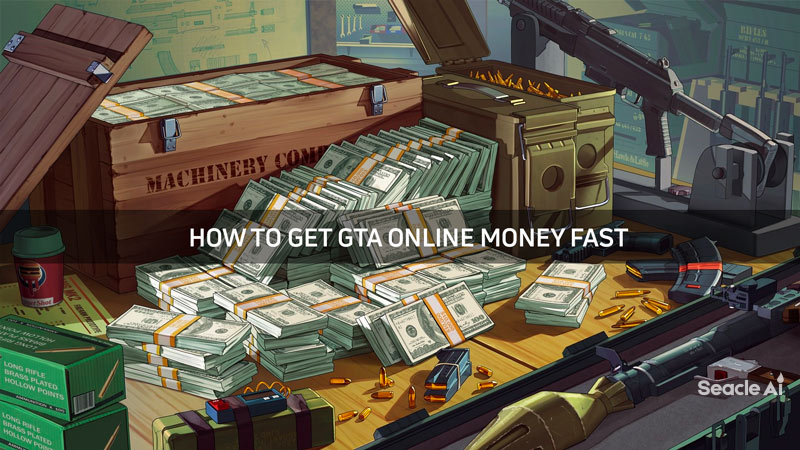
The confirmed backbone of GTA 6’s economy in 2025–2026 centers on layered income: active cash (missions, heists), portfolio assets (properties, shares), and repeatable passive systems (businesses, franchise-like income). Rockstar kept deliberate friction — taxes, upkeep, cooldowns — to prevent a single exploit from breaking the game, so planning matters. Expect prices for prime properties to range widely: small storefronts or safehouses at roughly 10k–150k in-game, while full-service businesses cost 500k–3M depending on location and upgrade tiers (numbers vary slightly by platform and live updates).
How in-game investments and properties work in GTA 6
Property tiers, upkeep, and ROI
Properties now have tiered ROI that’s visible before purchase — a welcome change. Low-tier properties pay small flat hourly sums with minor maintenance (fuel, staff wages), while high-tier assets require active management: hiring NPC staff, cash drops, and occasional deliveries. Real-world consequence: a central business in a dense district pays more per hour but eats into profit with higher staff costs and repair bills after raids. I’ve noticed small storefronts stabilize a player’s cashflow faster during the first 20–30 hours of play; they won’t make you rich, but they prevent going broke between big payouts.
In-game investments and the stock-like systems
Rockstar reintroduced market-like instruments but simplified them into faction-linked investments. Confirmed mechanics: mission outcomes affect certain sectors (transport, tech, luxury goods). The trick is diversification — put modest stakes across 3–4 sectors instead of dumping everything into a single volatile stock. A fragile structure of investments can collapse if you ignore regional events; build a wider base first and scale up. Most people overlook this and end up watching huge swings after a major in-game scandal or update.
GTA 6 passive income strategies
There are two reliable passive routes players have used in 2025–2026: property rentals (small steady returns) and automated businesses (higher returns but require periodic intervention). Automated businesses act like mini-games: you set them up, upgrade automation, and collect payouts every X hours — but raids or competitor events can reduce income if you skip checks for 48–72 in-game hours.
1. Buy a cluster of small properties in a single borough to reduce travel and management time — income scales modestly but predictably.
2. Invest in an automated logistics hub after you’ve built a basic safety net; mid-game upgrades amplify returns by 30–70% depending on your input.
3. Use the in-game “franchise” system (confirmed in patches) to let NPCs run storefronts for you at reduced profit; useful if you want very low time commitment.
Short observational insight: owning adjacent properties often reduces staff travel penalties, which slightly increases net payout — you feel the difference during daily collection loops.
Mid-content CTA: Compare options and price ranges for properties before you buy — a 500k property in a central district can perform worse than three 200k outskirts properties depending on your playstyle. View options in the in-game real estate menu.
Comparison: Properties vs Businesses in GTA 6
| Type | Initial Cost | Maintenance | Average Monthly Yield | Best For |
|---|---|---|---|---|
| Small property | 10k–150k | Low | 5–8% of cost | New players, steady income |
| Business (automated) | 300k–3M | Medium–High | 8–20% with upgrades | Mid/late-game, active managers |
| Franchise/NPC-run | 150k–1M | Low–Medium | 3–12% | Casual players |
Businesses out-earn properties over long stretches if you actively manage upgrades and guard against events, but properties are less volatile and easier to cash-flow early. If you dislike micromanagement, stick to properties and a couple of low-maintenance businesses.
Where it breaks: downsides and limitations
Everything has friction. Limitations include server-wide events that can wipe some expected revenue, cooldown timers that make rapid expansion slow, and microtransaction balance where players with real money can accelerate access to top-tier assets. Who should avoid heavy investment? Players who log in sporadically — businesses require periodic checks to remain profitable. Also, if you hate repetitive mini-tasks, properties give better return on time invested.
Practical scenarios and who should play this way
If you play 1–2 hours a day, focus on 3–5 small properties and a single automated business; the steady payout prevents urgent cash crunches during mission chains. If you’re a grind-and-scale player, invest in market-linked stakes and a pair of fully upgraded businesses to maximize compound returns. In India, microtransaction pricing and server population effects mean buying in-game currency is more expensive relative to local wages — plan purchases cautiously and prefer organic income paths.
Alternatives and comparison to past GTA economies
Compared to GTA V’s CEO/MC grind, GTA 6 favors sustained portfolio management over single-mode domination. The result: less insta-rich exploits, more slow-building wealth. That’s good for longevity, but boring if you want instant power. If you loved flipping properties in older titles, you’ll have to accept longer ROI horizons here.
FAQs
How reliable is GTA 6 passive income compared to active missions?
Passive income is more predictable but lower per-hour. Active missions spike cash fast (heists), but they have higher risk and longer cooldowns. A balanced player uses both: missions to fund purchases, passive income to cover recurring costs.
Are in-game investments tied to player actions or global events?
Both. Certain investments respond to your missions; others move with server-wide events. This hybrid model rewards engagement — ignore global news feeds and your portfolio will underperform.
Can I lose money on properties in GTA 6?
Yes. Maintenance, raids, and vandalism can reduce net profit. Properties don’t depreciate often, but cash flow can be negative short-term if you skip upkeep or leave them unstaffed.
Do businesses require constant attention to stay profitable?
No, not constant. They need periodic checks — usually every 24–72 in-game hours. The more automation you build, the less hands-on they become, but expect diminishing returns on pure automation.
What’s the best strategy for new players to make passive income?
Start with small, low-cost properties, diversify investments across sectors, and slowly add one automated business. Reinvest profits into another small property before upgrading a business — that stabilizes cash flow and reduces risk.
How do updates and patches affect the GTA 6 economy?
Rockstar adjusts multipliers and introduces events; big patches can shift sector values or change maintenance rates. Keep an eye on patch notes and community trackers — ignoring them costs real in-game money.
Conclusion & Final Recommendations
GTA 6’s economy rewards planning and moderation. If you want low-stress steady income, buy several small properties and let them compound. If you enjoy active management and higher returns, scale into businesses and market investments. Avoid putting all cash into one expensive asset early — the system is designed so a bad cooldown or raid can wipe out a single-asset strategy. For most players in 2026, a 60/40 split between properties and managed businesses gives the best mix of growth and resilience.
Final CTA: Want to decide right now? Check local in-game property listings and compare cost vs payout before committing — a little research saves a lot of grinding later.
SEO-friendly URL slug: gta-6-economy-businesses-passive-income
Meta title: GTA 6 Economy & Businesses: In-Game Money, Investments, Properties, and How to Make Passive Income — 2026 Guide
Meta description: GTA 6 Economy & Businesses: In-Game Money, Investments, Properties, and How to Make Passive Income — practical 2026 guide to property tiers, in-game investments, passive income strategies, and what to avoid.
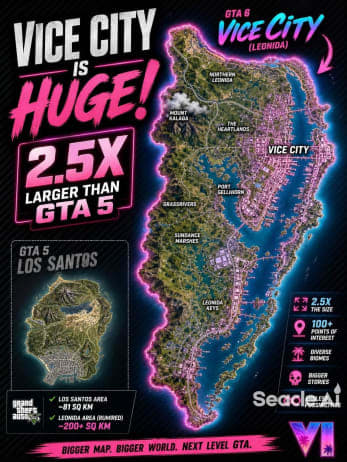
Image alt text 1: GTA 6 map with property icons
Image alt text 2: In-game business dashboard showing income and upkeep