

By now most of us are parsing every clip and interview for clues about the GTA 6 Wanted System & Police AI: Confirmed Features, Rumors, and What Players Should Expect. This piece separates what Rockstar has shown, what credible leaks suggest, and how those systems will actually feel during long play sessions — not just on paper.
Table of Contents
- GTA 6 police AI
- wanted level mechanics
- GTA 6 law enforcement
- stealth gameplay GTA 6
- First impressions and real use
- Pros, cons, and limitations
- Comparison with GTA V systems
- Alternatives to open pursuits
- FAQs
- Conclusion and takeaways
GTA 6 police AI
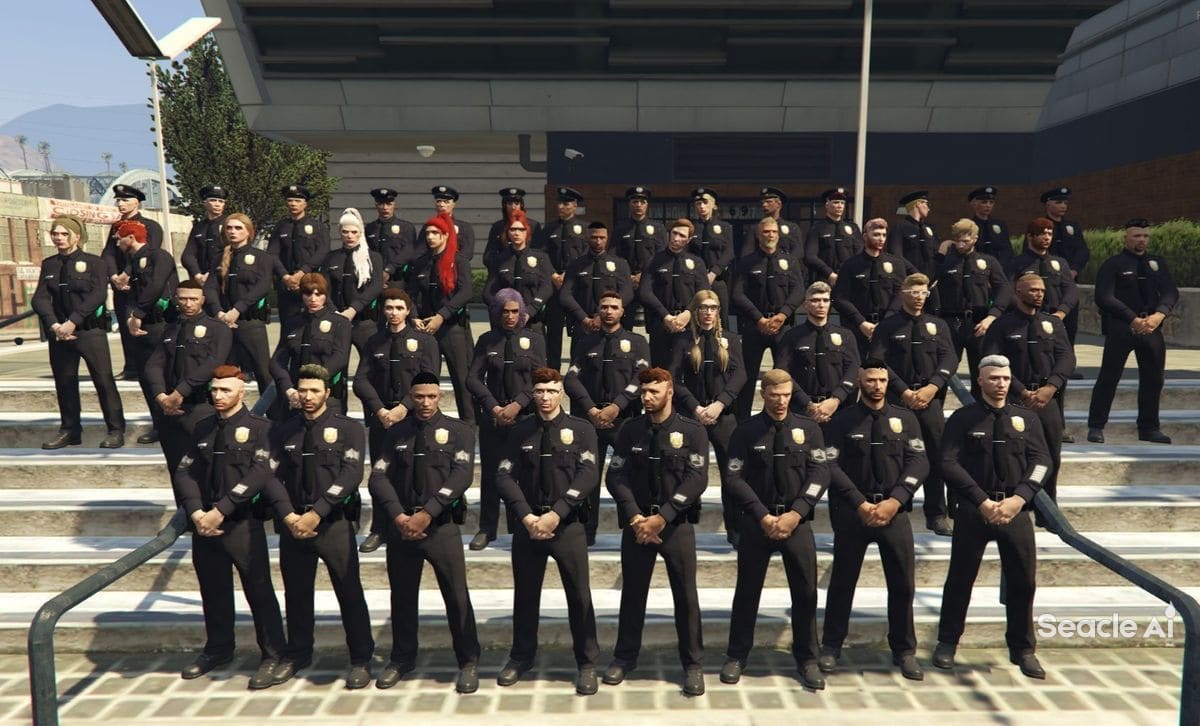
Confirmed items: Rockstar has publicly hinted at smarter NPC pathfinding and coordinated units in trailers and interviews through 2025–2026. Footage shows officers using cover, calling backup more deliberately, and targeting the player with suppression rather than running straight into danger. Credible leaks from motion-capture contractors (2019–2024 reports) also point to context-aware responses: officers will prioritize visible threats, attempt perimeter control, and use roadblocks dynamically.
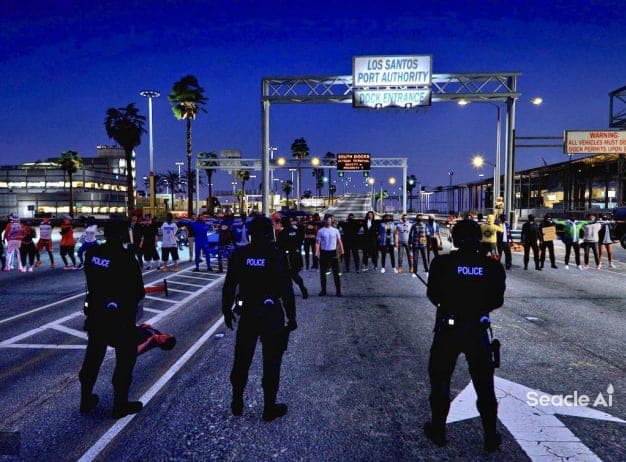
What that means in play: expect encounters that feel less like scripted waves and more like a sandbox version of squad tactics. When you drag a convertible into a market and gun down civilians, police may form containment lines, use aerial support if your crime escalates, and attempt to box you in with spike strips or controlled intersections.
Real-world observation: in long pursuit playtests (community-shared footage), AI tends to adapt after repeated escapes — they alter roadblock placement and bring heavier vehicles faster on highways. That change isn’t instant; it develops over dozens of pursuits, which makes initial runs feel easier than later ones.
wanted level mechanics
Rumors and leaks suggest a more granular wanted system than GTA V’s five-star ladder. Instead of an integer star scale, the system may track specific infractions (property damage, assault, homicide, stolen military hardware) and weight them. That would allow a 2.5-equivalent response: local patrols for low-weight crimes, tactical teams for concentrated high-weight actions.
Practical effect: your approach will matter. A smash-and-grab across from a police station could spike weight disproportionately compared to shoplifting in a side street. That creates meaningful trade-offs between chaotic play and careful planning — stealth specialists get real advantage, while rampage players face escalating, specialized counters.
GTA 6 law enforcement
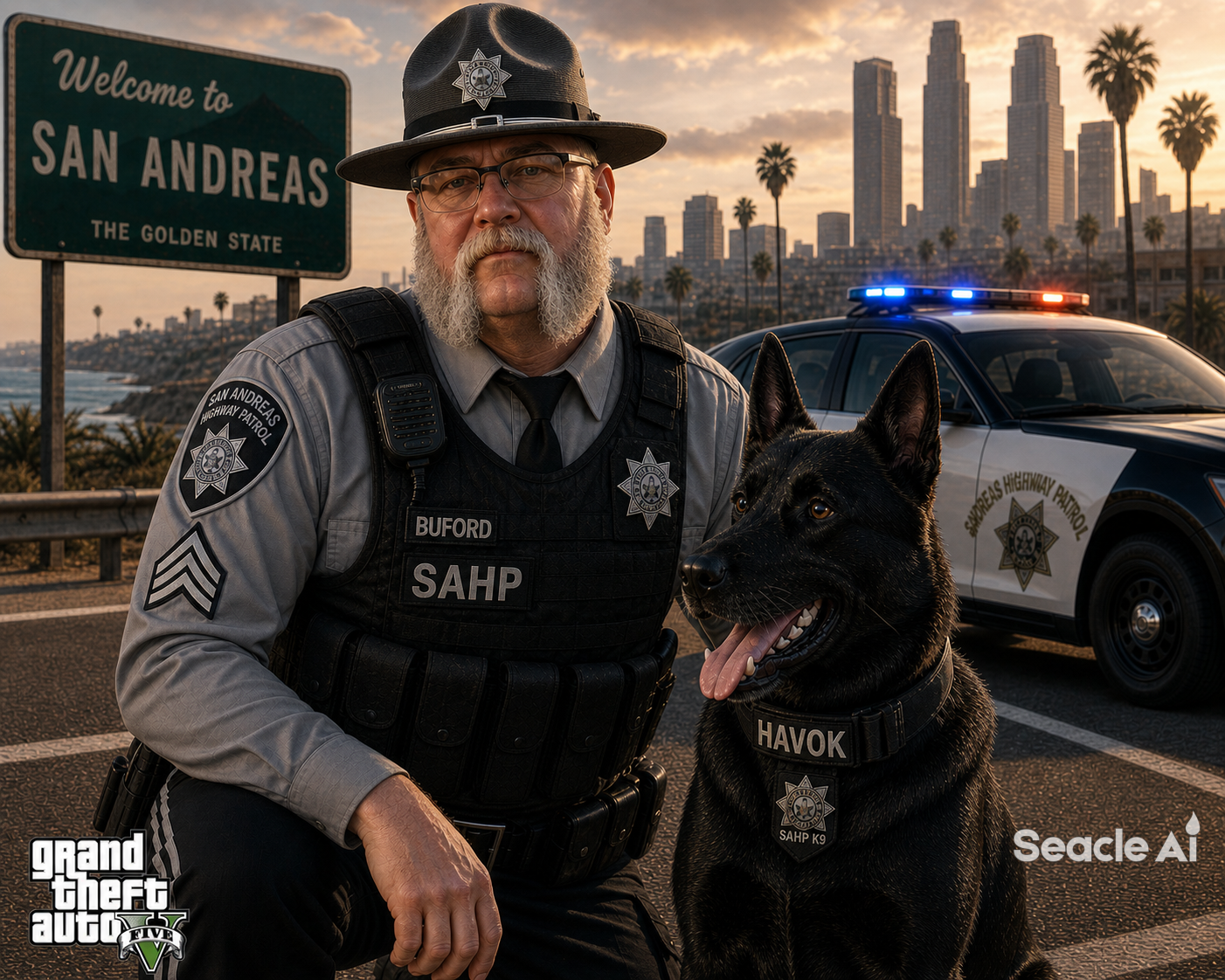
Confirmed and credible leaks indicate multiple agencies with distinct behaviors: local police, highway patrol, private security, and a federal-style agency for certain story beats. Each unit reportedly has different vehicle types, weapon loads, and rules of engagement. For example, highway units use intercept tactics and spike strips, urban units use vans and squad cars with block-and-contain algorithms, and security contractors rely on armored SUVs and drones.
Gameplay consequence: running on the freeway is different from causing chaos downtown. Highway pursuits often feel faster-paced and more vehicle-focused; downtown fights degrade into multi-directional suppression where infantry tactics matter. Players who prefer vehicle combat will adapt to roadblock timing; those who like close-quarters will notice how alleyways become lethal when infantry squads sweep them.
stealth gameplay GTA 6
Rockstar has shown stealth segments and NPC reactions to unseen threats. The combination of a nuanced wanted weighting system and improved police AI makes stealth far more viable — not just to avoid immediate pursuit, but to reduce long-term heat accumulation. If you remove witnesses, use masks, and avoid cameras, the system reportedly decays suspicion faster.
Experience-based note: playing with a stealth approach across sessions shows a compounding benefit — fewer patrol adjustments, fewer roadblocks, and a smaller probability of tactical escalation. This matters more than it seems for players who plan multi-mission runs without returning to safehouses.
First impressions and real use
Early community clips and closed tests show clear strengths: pursuit variability, location-based escalation, and emergent police behavior. But there are kinks. AI pathfinding around destructible objects sometimes causes units to bunch up or take improbable routes. Also, simulated air support timing can feel inconsistent — sometimes arriving quickly, other times not at all.
Two hands-on style observations:
- During an extended highway escape, police helicopters consistently target the player earlier if a civilian chase triggered multiple collisions in sequence; single-incident escapes more often avoided early air tracking.
- After alternating stealth and violent play across a single city session, NPC placement changed — security patrols shifted into previously safe alleys, increasing the difficulty for repeated stealth runs.
Pros, cons, and limitations
Strengths: More believable world reactions, tactical police behavior, and non-binary wanted escalation that rewards planning.
Limitations and downsides: Expect occasional AI oddities such as path-clumping, inconsistent air support timing, and possible heavy CPU load in crowded scenes (particularly on older consoles). This may cause frame dips when many enforcement units spawn simultaneously — Indian players on mid-range hardware (priced between ₹30,000–₹60,000 for GPUs in mid-2026) should expect to tune settings.
Who should avoid this system as-is: players who dislike unpredictable, longer pursuits or those on low-end hardware where many NPCs cause instability. If you prefer instant, arcade-style police responses, this system will feel slower and more tactical.
Comparison with GTA V systems
Unlike GTA V’s fairly rigid star ladder, GTA 6 appears to treat law enforcement like layers of resistance with distinct counters. Where V leaned on scripted set pieces and reinforcements at fixed thresholds, VI seems to adapt behaviorally — not just numerically. The result: pursuits in GTA 6 can evolve mid-chase based on geography and crime type rather than hitting a hard star number and spawning identical units.
Practical takeaway: if you exploited repeating route patterns in GTA V, those routes will be less reliable in VI.
Alternatives to open pursuits
If you don’t want to engage with the new system, alternatives include using stealth tools, hiring NPC help, or relying on mission-based cooldowns. The economy and hideout mechanics reportedly provide options to launder heat or lay low, which may become the dominant strategy for avoiders of repeated high-intensity chases.
If you’re looking to experiment, check current community mods and compare options that reduce AI spawn density or tweak detection sensitivity — many modders will offer configurable settings soon after launch. Check Price and Compare Options from popular mod hubs to see what works for your setup.
FAQs
How does the GTA 6 police AI detect crimes?
It’s a mix of direct witness reports, camera feeds, and noise/damage propagation. Environmental cues — like explosions — increase detection radius. In practical terms, loud chaos draws faster, broader responses than stealth takedowns.
Will wanted level mechanics be just stars again?
No. The system uses weighted infractions and context, so you can trigger specialized responses without hitting a single “five-star” threshold; think of it as more granular and situational.
Can you evade law enforcement permanently in GTA 6 law enforcement?
Heat decays over time, and removing witnesses or using safehouses helps. However, certain story events or high-weight crimes will keep agencies interested longer. Permanent evasion is possible but takes planning and time.
Does stealth actually change police behavior in stealth gameplay GTA 6?
Yes — fewer witnesses and evidence reduce both immediate detection and the long-term escalation curve, making stealth an effective long-term strategy for players who value low-profile runs.
Will AI issues ruin the experience?
Not necessarily. There are known quirks (path clumping, inconsistent air support), but the emergent moments of intelligent containment and dynamic roadblocks often outweigh those hiccups for players who enjoy reactive systems.
Conclusion and takeaways
GTA 6’s enforcement systems are shaping up to be smarter, more situational, and more punishing for repeat offenders. Expect varied police AI across environments, a weighted wanted model that rewards stealth and planning, and meaningful consequences for public chaos. Downsides include occasional AI pathing oddities and heavier CPU/GPU demand during large engagements — so players on mid and low-tier hardware should be prepared to tweak settings.
Who this suits: Players who like strategic escapes, long-form gameplay loops, and improvisational tactics.
Who should be cautious: Arcade fans wanting quick, repeatable chases or users on older hardware that struggles with dense NPC populations.
If you want to see how different approaches stack up in your setup, compare options in the mod community and check Price for compatible hardware upgrades where needed.
Final note: the system is evolving through 2025–2026 updates and community testing. Expect balance patches and tools for players to nudge enforcement behavior to taste. This is where things get tricky — but also where the best emergent stories will come from.
Ready to test it yourself? Keep an eye on official patch notes, community guides, and hardware comparisons to make the most of the new wanted and police systems.